Some links here are affiliate links. If you buy through one, Little Everyday Luxuries may earn a small commission, and it costs you nothing extra. How that works.
I had a drawer of candles for years that I almost never lit. They came from gift exchanges, from a friend’s small business phase, from a moment of optimism at a store checkout line. Every one of them was being saved for something. A dinner with people over. A rough day that needed comforting. Some future occasion important enough to justify burning through a little wax and a little wick.
The occasion never quite arrived enough times to use them up, which meant most of them sat in that drawer for far longer than they should have, unused, technically mine but functionally nobody’s.
The moment I noticed what I was actually doing
I was cleaning out that drawer one afternoon, moving candles aside to get to something else, and I realized I had five of them, all at least half full, all being rationed for occasions that were not coming. I sat with that for a second, because it did not make sense. I was not poor in candles. I was rich in candles and acting poor.
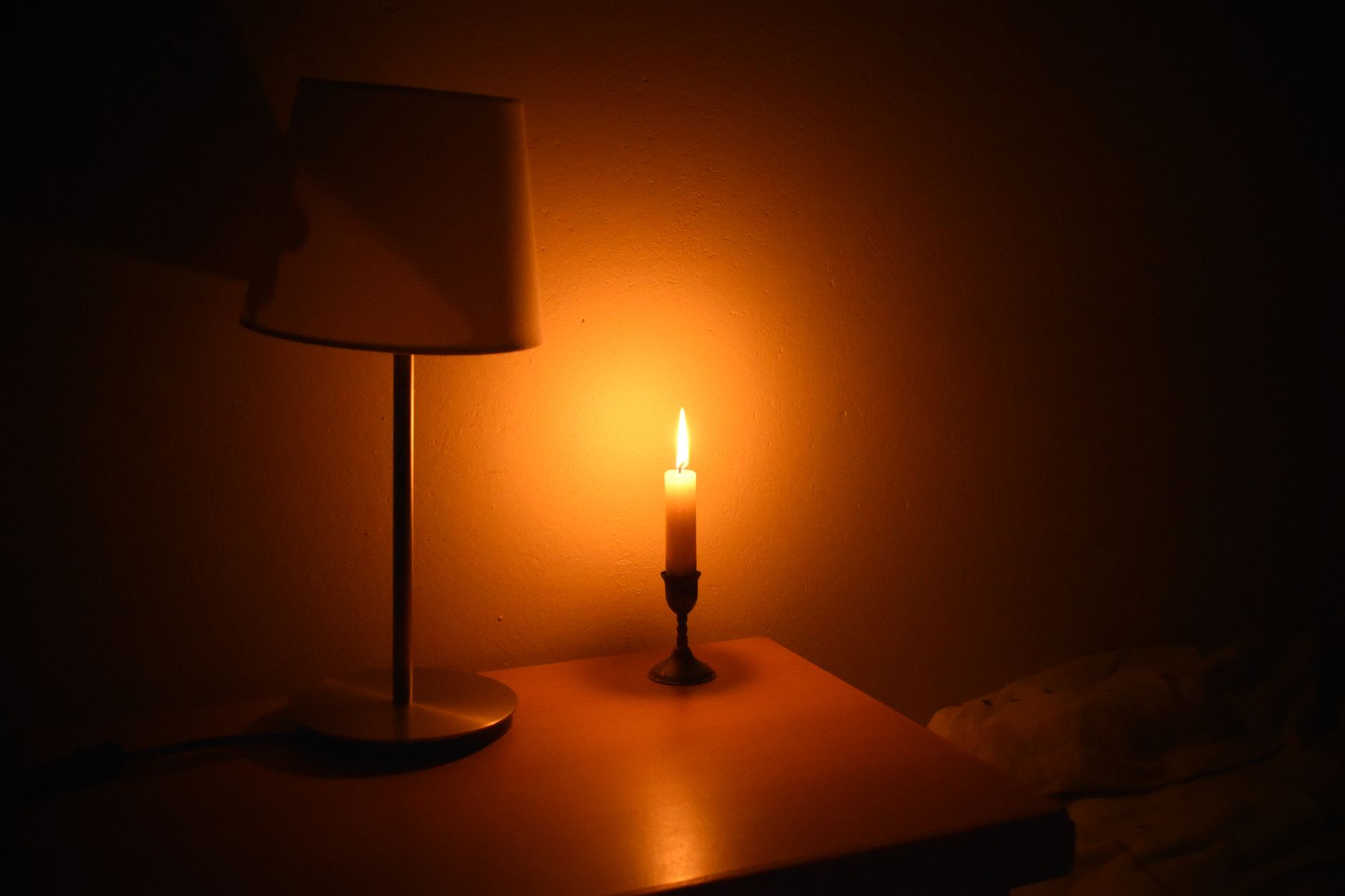
So I picked one at random, put it on the kitchen counter, and lit it while I made dinner on an entirely ordinary Wednesday. Nobody was coming over. Nothing was wrong. I just wanted to see what it would feel like to stop treating a candle like a reward I had to earn.
What actually happened
The smell filled the kitchen while I cooked, and it changed the whole texture of an evening that would otherwise have looked exactly like every other evening that week. Chopping vegetables while something faintly like vanilla and cedar drifted around the room is a different experience than chopping vegetables in a kitchen that smells like nothing in particular, or worse, like whatever I cooked the night before.
I kept doing it. Not every night, but often enough that it stopped being an event and started being a small decision I made a few times a week, the same way I might decide to put music on instead of eating in silence. The candle did not need an occasion. The occasion was that I was standing in my kitchen and I wanted it to feel like somewhere I chose to be, not just somewhere I happened to be.
I had been saving something meant to be used up, as though using it were the mistake instead of the entire point of owning it.
Why we save things like this in the first place
I think there is a specific kind of guardedness around anything with a finite supply that also feels a little indulgent. A candle burns down. A nice soap gets used up. Something in us treats that disappearance as loss, so we hold onto the object instead of the experience, protecting the candle rather than letting it do what it exists to do.
But a candle that never gets lit has not been protected. It has just failed at its only job, slowly, while sitting in a drawer. The wick dries out. The scent fades over time even unlit. Saving it that carefully does not preserve anything worth preserving.
What I would tell someone with their own drawer of saved candles
- Pick the one you like best first, not last. There is no logical reason to save your favorite for some hypothetical future night that beats tonight.
- Light it on a night that is not special, specifically, as a small experiment in whether ordinary counts.
- If you only have one to your name, that is even more reason to actually burn it rather than let it sit as decoration.
The bigger pattern I noticed once I paid attention
Once I started noticing this with candles, I started noticing it everywhere. The nice soap I was saving. The good pen in a drawer instead of a pocket. A jar of something special in the pantry that had been there so long I had forgotten what it was for. A small pattern of treating pleasant things as too good for regular life, which quietly meant they were not really part of my life at all, just objects I owned and admired from a distance.
A candle costs about what a takeout coffee costs, sometimes less, and it lasts for many evenings if you actually let it. There was never a good financial reason to save it. The saving was never about money. It was about some unexamined idea that ordinary days did not deserve nice things, and that is the part worth questioning, far more than the candle itself.
If you only do one thing
Open the drawer, closet, or shelf where you keep the candle you have been saving, and light it tonight for no reason you would be able to explain to anyone else. Cook dinner next to it. See what an unremarkable evening feels like with a little warmth and scent added to it on purpose, and notice whether you still feel like you were saving it for something better than this.