Some links here are affiliate links. If you buy through one, Little Everyday Luxuries may earn a small commission, and it costs you nothing extra. How that works.
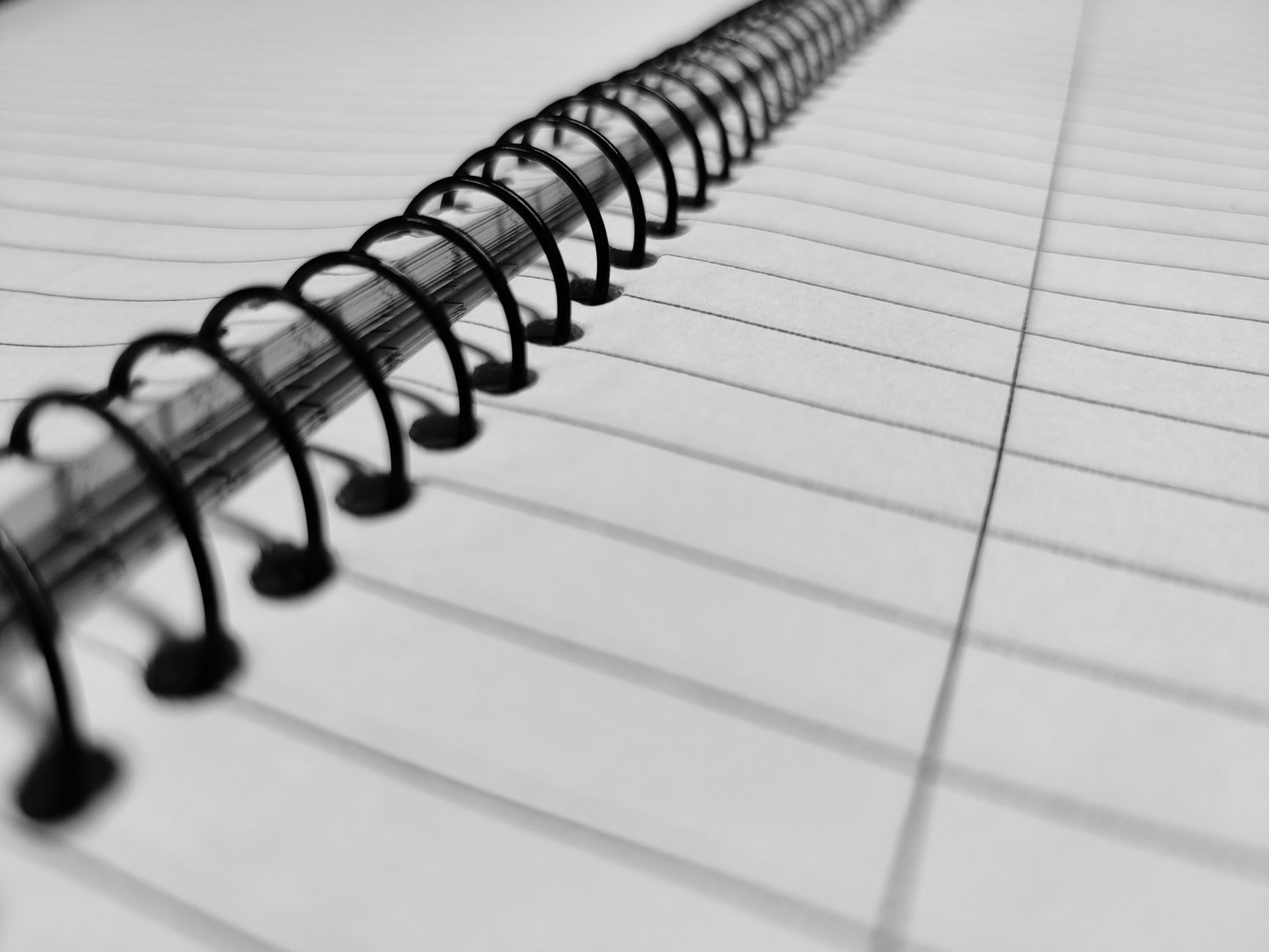
I have a notebook with a soft cover and thick, cream colored pages that has sat on my shelf, completely blank, for about a year and a half. I bought it because I liked how it felt in my hands, the weight of it, the way the pages did not feel thin enough to bleed through with a regular pen. I told myself I would use it for something important. I still have not written a single word in it, and in the meantime I have filled up three ordinary spiral notebooks with grocery lists, half finished to-do lists, and notes from phone calls I do not remember taking.
This is a strange thing to admit, because on paper the nice notebook is exactly what I wanted. It is sitting right there. Nothing is stopping me except a feeling, and the feeling is roughly this: if I write something ordinary in the good notebook, I will have wasted it on something ordinary, and there will not be a good notebook anymore, just a notebook with grocery lists in it like all the others.
The trap of saving something for “important”
The problem with saving a notebook for something important is that important things rarely announce themselves ahead of time. I was waiting for a moment worthy of the nice pages, a big idea, a meaningful list, the start of some project I had not started yet. That moment was never going to walk in the door and hand me permission. Most of what ends up mattering to me later started out as something ordinary I almost did not bother writing down.
Meanwhile the spiral notebooks kept doing their job. They got used because there was no bar to clear before using them. A cheap notebook has no pressure attached to it, so a grocery list feels like a fine thing to put in it. The good notebook had a bar so high that nothing I actually thought or wrote day to day ever seemed to clear it, which meant the bar itself was the problem, not the things I was trying to write.
Why the nicer object raises the bar
I think this happens with anything that feels a little precious. The nicer the object, the more we want to match its quality with the quality of what we put into it or onto it. A plain notebook can hold a grocery list without any tension. A beautiful one seems to be asking for something worthy of it, and very little of daily life feels worthy on command. So the object sits empty, which is the one outcome guaranteed to make it useless no matter how nice it is.
A blank notebook, however beautiful, does nothing for anyone. It is not decoration unless you display it open on a shelf, which was never the plan. Its entire value is in being written in, the same way a towel’s entire value is in being used to dry off, and a candle’s entire value is in being lit. An unused nice object is not preserved. It is just unused.
How I finally broke the seal
What worked for me was lowering the stakes on purpose, on a day I was not trying to write anything important at all. I picked up the notebook while making a plain list of errands, the kind of list I would normally put on a sticky note, and I wrote it in the good notebook instead. Nothing bad happened. The page did not reject the ink. The notebook did not stop being nice because an errand list was now on page one.
That first ordinary entry did more to fix the problem than any amount of thinking about it would have. Once there was something written in the notebook, it stopped being a pristine object waiting for a worthy moment and started being a notebook, in use, the way it was designed to be from the start.
- Write something small and unimportant in it first, on purpose, to break the idea that only big things belong there.
- Do not skip to a fresh page for the “real” entry later. Let the ordinary and the meaningful sit next to each other, which is closer to how life actually works anyway.
- Keep it somewhere you will actually see it, not tucked away for safekeeping. A notebook in a drawer stays blank by default.
- If the fear comes back on a given day, write one sentence. One sentence is enough to keep the pages moving and the pressure from building back up.
A blank page is not being protected. It is just blank.
I keep coming back to that thought because it applies to more than notebooks. Anything nice that you are keeping unused because you have not found the moment worthy of it is not actually being preserved in some meaningful state. It is just sitting there, doing nothing, while you wait for permission that was never going to arrive on its own.
What changed once I started
A few months in, the notebook has grocery lists in it, and it also has a couple of pages I genuinely care about, notes from a conversation that mattered, a list of ideas I did not want to lose. Those pages exist because the ordinary pages came first and cleared a path for them. If I had kept waiting for only the meaningful entries, I suspect the notebook would still be empty, because I would still be waiting for a signal that important things rarely send in advance.
The pages are not diminished by having a grocery list next to something that mattered more. If anything it feels more honest that way. Life is mostly ordinary with a few things that matter mixed in, and a notebook that reflects that is doing exactly what a notebook is for.
If you only do one thing
Find the notebook, the good pen, the nice stationery you have been saving, and write one plain, unimportant sentence in it today. Not a big first entry, not a title page, just a sentence, the kind you would normally jot on a scrap of paper. That is the whole trick. Once something ordinary is on the page, the pressure that kept it blank is gone, and the notebook can finally start doing the only job it was ever meant to do.