Some links here are affiliate links. If you buy through one, Little Everyday Luxuries may earn a small commission, and it costs you nothing extra. How that works.
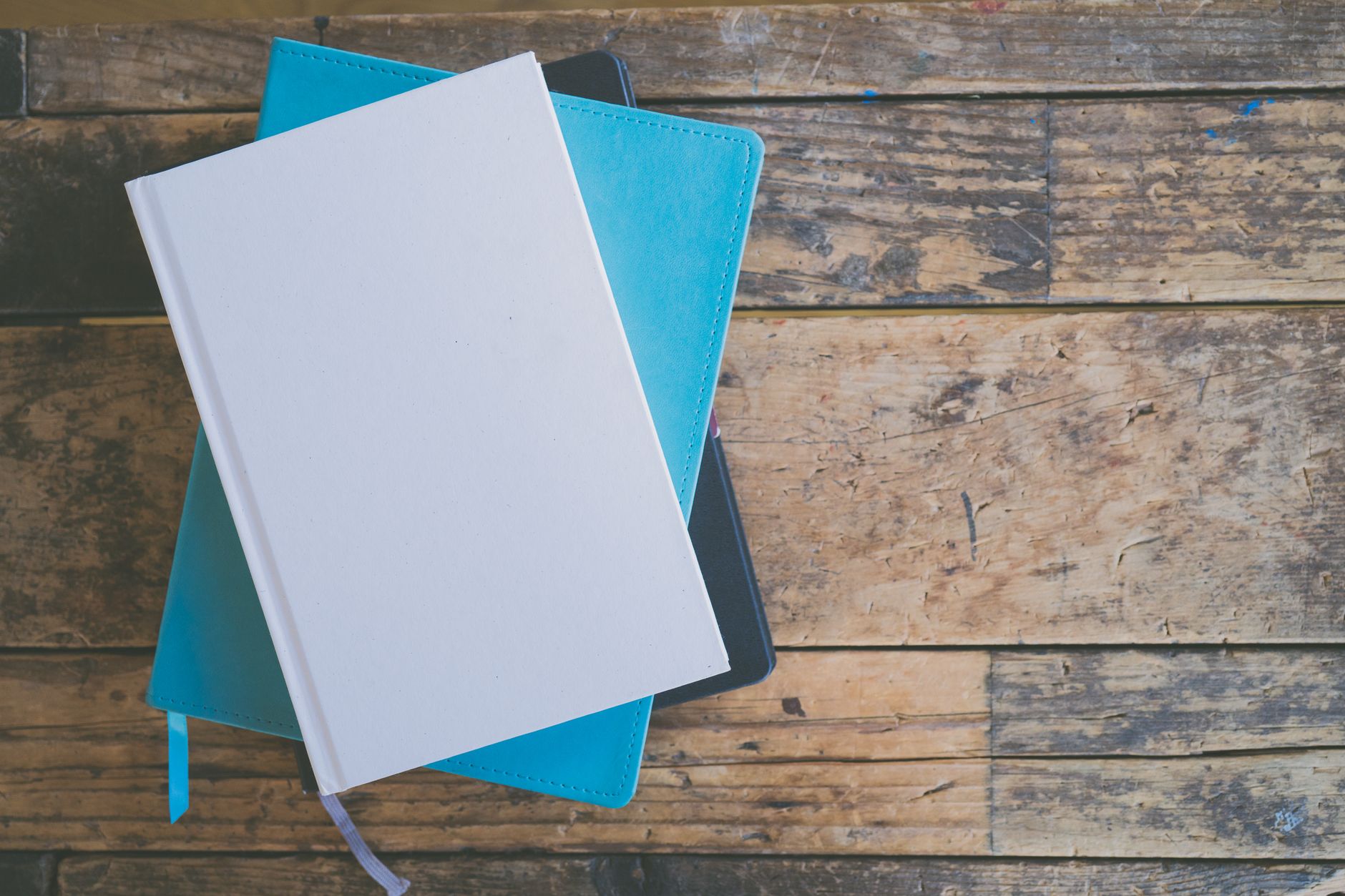
I had a drawer with nine unopened notebooks in it. Different sizes, different covers, a couple of them genuinely nice, the kind with a ribbon marker and paper that felt good under a pen. Not one of them had a single page written in it. I had bought each one with a real intention attached: this will be where I write every morning, this will be my travel journal, this one is for recipes I want to remember. The intentions were sincere. The notebooks stayed blank anyway.
Why a blank notebook is its own kind of trap
There is something about an empty notebook that makes starting feel like it needs to be significant. The first page has to be good, has to justify the nice paper, and that pressure is exactly what kept me from opening any of them. Meanwhile, buying a new one required none of that pressure at all. Buying is easy. Starting is hard. So I kept doing the easy part and calling it progress toward the hard part.
I noticed the pattern most clearly around January, which is probably not a coincidence. A new year, a new notebook, a fresh sense that this time the daily habit would stick. It rarely did, not because I lacked discipline exactly, but because the notebook itself had become the goal. Owning the tool felt like it counted as movement toward the habit, when really it was just a very convincing substitute for the habit.
The test that finally worked
I picked the plainest notebook in the drawer, not the nicest one, on purpose. The nice ones carried too much weight to feel like a low-stakes place to start. I gave myself one rule: three sentences a day, no more required, about anything. Not a journaling practice with rules about gratitude or morning pages. Just three sentences, some days about nothing important at all.
The notebook that finally got used was the one I stopped treating as special.
That plain notebook is nearly full now, six months later. The eight others are still in the drawer, and I have made peace with that, because what I learned is that the writing habit was never actually blocked by a lack of notebooks. It was blocked by the ceremony I had built up around starting one.
What I do differently now
I do not buy a new notebook until the current one is finished, no exceptions. That sounds obvious written down, but it was not obvious to me at the time, because each new notebook had felt like a fresh start rather than an addition to a pile of fresh starts that never got past page one. Finishing one before buying another also means I now actually experience the small satisfaction of a completed notebook, which I had never once felt in years of buying them.
The bigger habit underneath it
This shows up with more than notebooks. Recipe cards bought for a system of organizing recipes that never got built. A planner bought every December for a planning habit that starts strong and fades by February, followed by a new planner the next December instead of a return to the one already half used. The tool becomes a stand-in for the change you actually want, and buying it gives just enough of a feeling of progress to quiet the itch, at least for a week or two.
What helped me most was separating the two questions that had been fused together in my head: do I want this object, and do I want the habit it is supposed to support. Those can have different answers, and usually did, once I actually asked them separately instead of letting the first one answer for both.
What finally happens to the other eight
I am slowly working through them now, but on my terms, not the terms I originally bought them under. The one meant to be a dedicated travel journal became a place to jot down restaurant names I want to remember, which is a smaller and easier job than the grand travel journal I had pictured when I bought it. The one meant for recipes is now just where I copy down a recipe when I actually cook something worth repeating, which happens maybe once a month, and that is fine.
None of them ended up serving their original stated purpose, and I have stopped seeing that as a failure. The purpose I assigned each notebook at the register was usually more ambitious than the actual habit I was capable of sustaining. Letting a notebook become something smaller and more realistic than what I first imagined turned out to be the only way any of them got used at all.
- Notice when buying a tool is standing in for actually starting the habit
- Finish or seriously use what you have before adding another one to the category
- Lower the stakes of starting by picking the plainest option, not the nicest one
- Separate wanting the object from wanting the change it is supposed to represent
If you only do one thing, open the drawer where your own unfilled notebooks, unused planners, or untouched craft supplies live, and pick the plainest one. Use it for something small this week, not the big project you originally bought it for. That is the whole trick.