Some links here are affiliate links. If you buy through one, Little Everyday Luxuries may earn a small commission, and it costs you nothing extra. How that works.
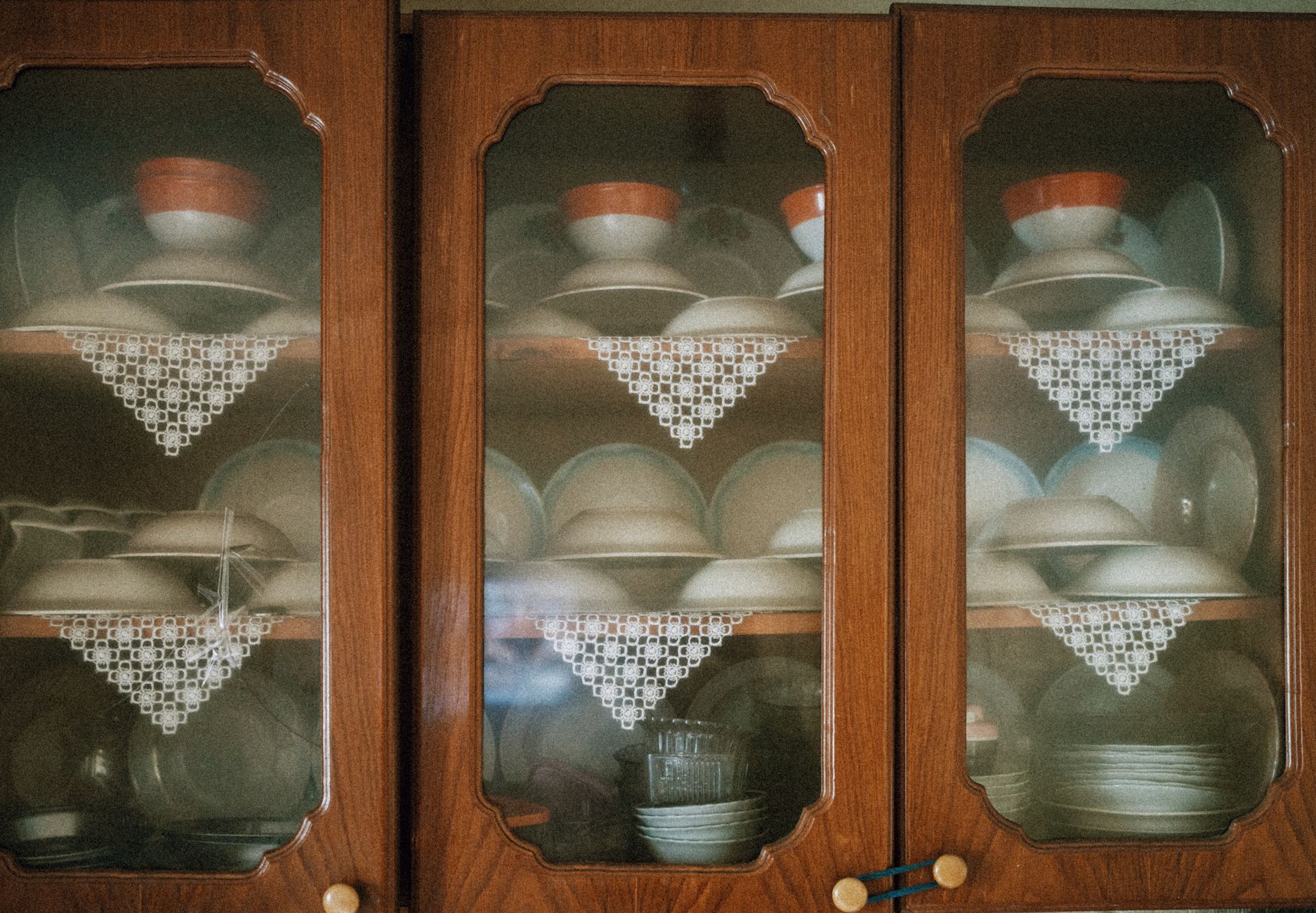
I had a set of dishes in my closet for six years. They were a gift, wrapped carefully, the kind of thing you unbox once to admire and then rewrap because you are afraid of what happens if you actually use it. I told myself I was saving them for something. I never named what that something was, and looking back, I do not think I could have. There was no occasion on my calendar that felt big enough to justify taking them out of the box.
That is the pattern I want to talk about in this space, because I think almost everyone has a version of it. Not always dishes. Sometimes it is a candle, a bottle someone brought back from a trip, a robe still folded in its tissue paper, a set of pens too nice for a grocery list. Something good, sitting untouched, waiting for a version of your life that has more ceremony in it than the one you are actually living.
The math nobody does out loud
Here is the quiet arithmetic behind saving something. You are betting that a future occasion will value the thing more than today does. But most of us do not actually have that many occasions. A holiday, a birthday, maybe a visit from someone we want to impress. If you are saving something for occasions like that, you might use it four or five times a year. Everything else, every ordinary dinner, every regular Tuesday, gets the everyday plates instead, by default, without you ever deciding that on purpose.
What that means in practice is that the good thing sits unused for the other three hundred and sixty days. You paid for it, someone gave it thought, and it spends almost its entire existence in a closet. The occasion you are waiting for is not wrong to wait for. It is just rare enough that the object barely gets to exist.
What finally moved me
I did not have a breakthrough moment. What happened was smaller and a little embarrassing. I chipped a regular everyday plate loading the dishwasher, went to grab a replacement from the cabinet, and stood there for a second doing that same old calculation. Then I thought about the six years and just took the good dishes down instead. I used them for a plain dinner. Rice, a piece of chicken, nothing that deserved a special plate by any normal measure.
Nothing bad happened. That sounds obvious written down, but it was the actual discovery. No one judged me. Nothing broke that would not have broken on any other night. The meal was ordinary and the plate was not, and that mismatch turned out to be the whole point. The plate made an ordinary meal feel slightly considered, and that was worth more to me on a Tuesday than it would have been at a holiday dinner surrounded by other special things competing for attention.
Why we hold on to things anyway
I think part of the hesitation is not really about the object. It is about the story we tell ourselves about who gets nice things and when. There is a version of that story where nice things are earned by big moments, and using them on a regular day feels like jumping the line. If nothing special happened today, what right do I have to the special plate.
The things sitting in your closet waiting for an occasion are not going to age into more usefulness. They are just going to age.
But that framing has it backward. A nice object does not know what day it is. It cannot tell the difference between a birthday and a Tuesday. The only one keeping score is you, and you are the one deciding the score matters more than actually experiencing the thing you already own.
What using it does not solve
I want to be fair about the limits here. Using the good dishes did not make the meal taste different. It did not make the evening more meaningful in some deep way. If you are hoping that pulling something nice out of storage will transform an ordinary night into something you will remember for years, it will not do that on its own. What it does is smaller and more honest. It removes the low hum of guilt that comes from owning something and never letting it do its job.
There is also a real risk with genuinely fragile or hard-to-replace items, and I am not telling you to use your one irreplaceable heirloom as a coaster. Some caution is reasonable. But most of what sits waiting in most closets is not irreplaceable. It is just untested.
If you only do one thing
Pick the item in your house you are most obviously saving for later. You probably already know which one it is without much thought. Use it this week, on a day that has nothing special about it. Not to prove a point to anyone, just to see what it actually feels like to stop waiting. If the object survives an ordinary Tuesday, and it almost certainly will, you will have your answer about all the other Tuesdays it could have had.