Some links here are affiliate links. If you buy through one, Little Everyday Luxuries may earn a small commission, and it costs you nothing extra. How that works.
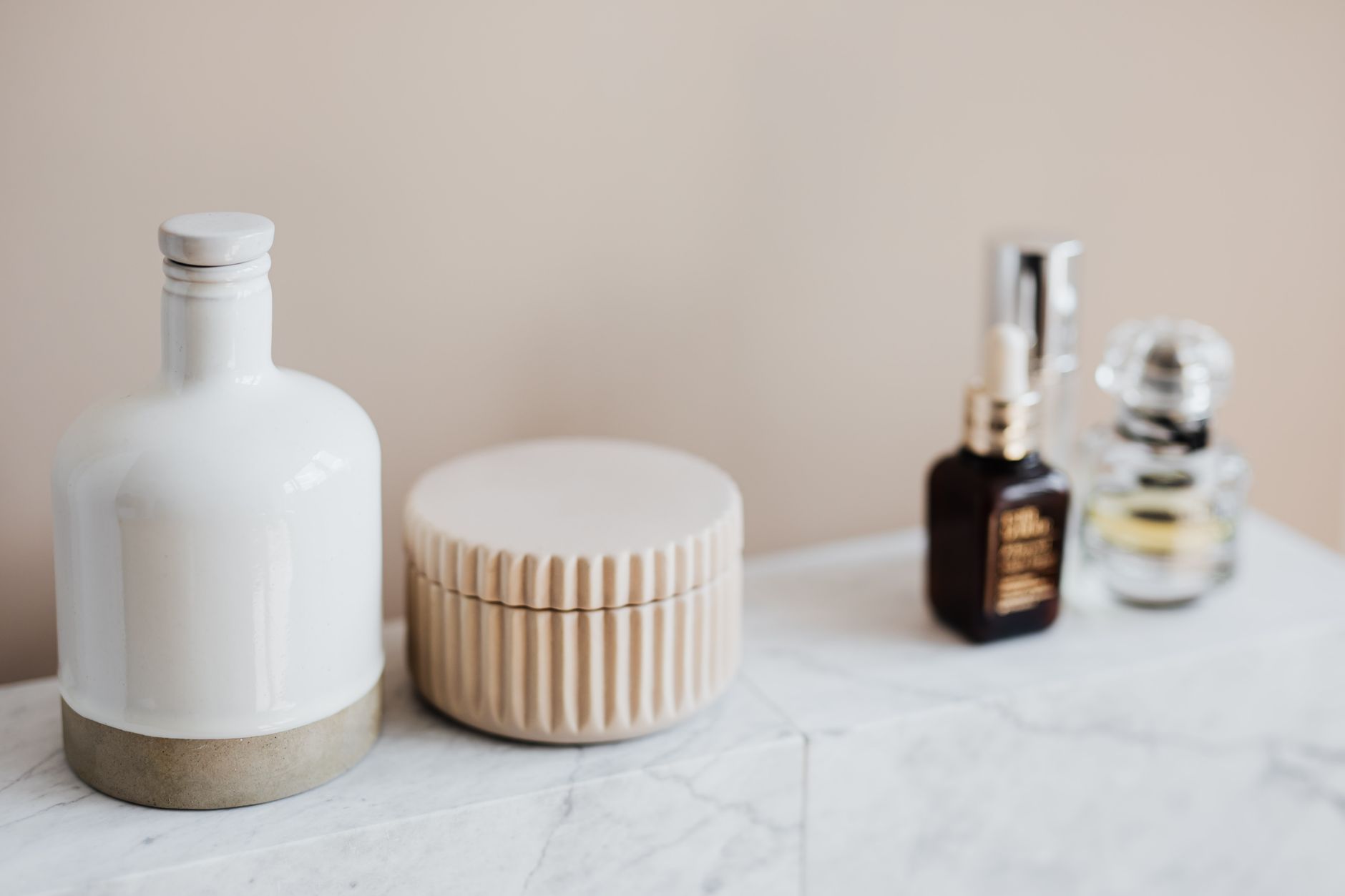
My bathroom shelf used to have twelve bottles on it. A cleanser, a toner, two different serums, an eye cream, a face oil, a night cream that was different from my day cream, a mist, an exfoliant, a mask, and two things I genuinely could not remember buying. Every single one of them had, at some point, felt necessary. That is the part that took me longest to admit. Nothing on that shelf was a mistake exactly. Each bottle solved a problem I had convinced myself I had.
How a routine grows past the point of usefulness
It happens one step at a time, which is exactly why it is hard to notice. You add a serum because your skin feels a little dry one season. You add an eye cream because a friend mentions puffiness and now you are thinking about your own. You add a mist because it sounded nice, something to do with hydration you read about somewhere. None of these decisions feel excessive in the moment. It is only when you stand back and count twelve bottles that the shape of it becomes obvious.
The uncomfortable question I eventually asked myself was simple: if I took away everything except a cleanser and a moisturizer, would my skin actually look worse, or would it just feel like something was missing? Those are two very different things, and I had been treating them as the same for years.
What I actually tested
I gave myself six weeks with just a cleanser, a moisturizer, and sunscreen during the day. That was it. I put everything else in a drawer, not the trash, because I was not trying to prove a point, I was trying to find out something true. Six weeks is long enough to see past the placebo of a new routine and long enough for skin to settle into whatever its baseline actually is.
My skin looked the same. Not worse. Not dramatically better either, which is its own kind of answer. The nine other bottles had not been doing nothing, exactly, but whatever they were doing was not something I could feel or see in a way that justified nine extra steps every morning and night.
I had built a routine to manage anxiety about my skin, not to manage my skin.
The three that stayed
I did eventually let two things back in from the drawer: sunscreen, which I already had before the test and which has real, unglamorous evidence behind it, and a basic moisturizer with an ingredient that actually helped with the dryness I get in winter. Everything else stayed in the drawer, and eventually I gave most of it away to a friend who was happy to have it.
What surprised me most was how much time this gave back. Not a dramatic amount, maybe four or five minutes twice a day, but the mental weight of it was bigger than the time. I no longer stand at the shelf deciding what order things go in, whether I am forgetting a step, whether today is a mask day. There is no decision left to make. That absence of decision is, it turns out, the actual luxury.
Noticing the marketing pattern
Once you start paying attention, you notice that skincare marketing rarely tells you a product is optional. It tells you what happens if you skip it, phrased just gently enough to sound like concern instead of a sales pitch. Once I recognized that pattern, it got much easier to ask a plainer question: what does this actually do, and can I feel or see the difference without it.
What I tell myself now before adding a step
The habit of adding one more product rarely announces itself as excess. It shows up disguised as care, as taking your skin seriously, as finally addressing a concern you had been ignoring. That framing made it hard to say no for years, because saying no to a new serum felt like saying I did not care enough to try. I had to separate those two things on purpose: caring about my skin and buying another bottle are not the same act, even though the marketing around both of them wants them to feel identical.
Now, before anything new goes on the shelf, I give it a month’s worth of thought first, not a month’s worth of use. If I am still thinking about it after a few weeks, genuinely curious rather than just remembering an ad, I let myself try it, one product at a time, so I can actually tell whether it did anything. Most of the time the urge fades before the month is up, which tells me plenty on its own.
- Strip your routine down to the minimum you would defend to a skeptical friend
- Give a stripped-down routine real time, at least a month, before judging it
- Notice the difference between a product doing something and a product feeling reassuring
- Let go of steps that exist mainly to quiet a worry rather than solve a problem
If you only do one thing, pick your busiest morning this week and use only the two products you would grab if you were running late. Watch what happens to your skin over the following days. That result, not the shelf full of bottles, is the actual information you need.