Some links here are affiliate links. If you buy through one, Little Everyday Luxuries may earn a small commission, and it costs you nothing extra. How that works.
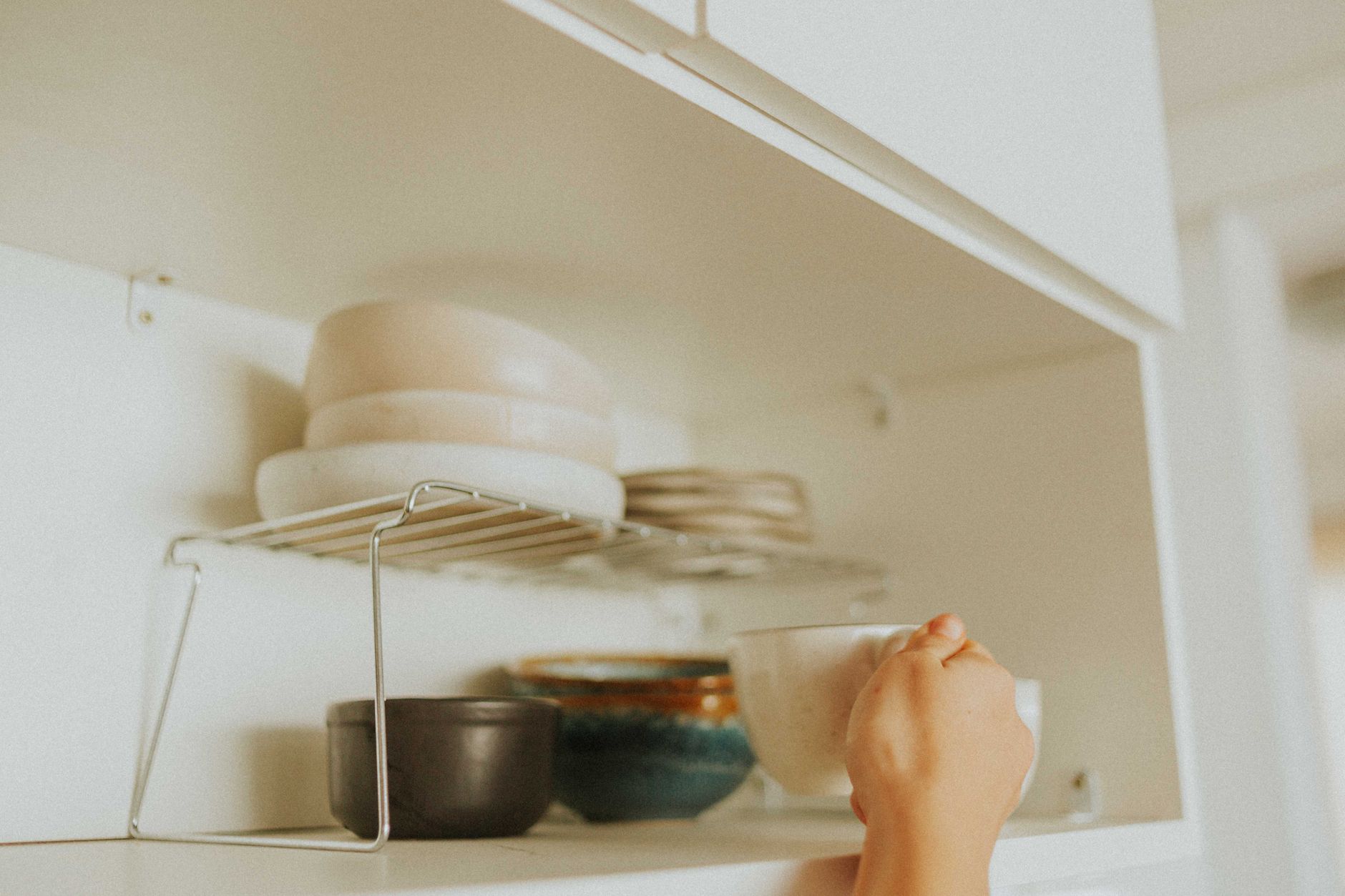
For a long stretch of years, buying a mug was the thing I did on every trip. It felt like a reasonable habit compared to other souvenirs. Mugs are useful, I told myself. I will drink coffee out of this every day and think of that trip. Except I did not. I had a cabinet with something like eighteen mugs in it, and on any given morning I reached for the same three, the ones that happened to sit at the front and had a shape I actually liked holding.
What a cabinet full of memories actually does
The rest of the mugs sat behind those three, stacked in a way that made pulling one out risky for the ones on top. I would see them occasionally when I was looking for something else, feel a small flicker of recognition, a trip half remembered, and then put the cabinet door back and reach for one of my usual three anyway.
That is the part that finally got my attention. The mugs were not failing to hold memories. They held them fine. What they were not doing was getting used, and a mug that sits in a stack is not really serving the purpose I bought it for in the first place, which was daily use plus a little bit of memory attached.
The question that changed the habit
On my next trip, standing in a gift shop with a mug in my hand, I asked myself something plain: will this replace one of the three mugs I actually use, or will it become the nineteenth thing in a stack. I already knew the answer. I put it down and bought a postcard instead, which cost less, took up no cabinet space, and did the memory part just as well.
A mug I use every day says more about a trip than a mug I look at twice a year.
This is not really about mugs. It is about the specific kind of souvenir logic that says an object is meaningful simply because of when or where you got it, regardless of whether it earns a place in your actual life afterward. I fell for that logic for a long time because it felt more thoughtful than buying nothing.
What I do now instead
I gave myself a rule with real teeth: a new mug only comes home if an old one leaves. Not donated eventually, not someday, but that trip, before the new one gets unwrapped. This forced me to actually rank my mugs, which I had never done before. It turns out I had opinions about handle shape and rim thickness I did not know I had, because I had never been forced to choose.
The cabinet now holds six mugs. Every one of them gets used regularly. When I pick one up in the morning, I do occasionally remember where it came from, which is the exact thing I wanted from the eighteen-mug version and somehow was not getting.
The pattern shows up everywhere
Once I saw it with mugs, I started noticing the same shape in other categories. Tote bags from conferences. Refrigerator magnets. Little dishes meant to hold rings by the sink. Things bought as evidence of an experience rather than for actual use, which quietly stack up until a drawer or a cabinet becomes a kind of storage unit for guilt about throwing sentimental things away.
The souvenir I actually regret not buying
There is exactly one exception I still think about. A hand-thrown mug from a small pottery stall, slightly uneven, the kind of piece that would have replaced one of my regular three without question. I talked myself out of it that day because I was mid rule-following and did not want to make an exception so soon after setting the rule. Looking back, that was a case where the rule got applied too rigidly. The point was never to buy nothing. The point was to buy on purpose.
So the rule has a small addendum now. If something would genuinely earn a spot among the mugs I use, I let myself buy it and retire one immediately, right there, mentally, before I even get home. But the default stays no, because a default of no is what actually stops the drift back toward eighteen mugs. It just is not an absolute no anymore, and I think that is the more honest version of the habit.
- Ask whether a souvenir will genuinely get used, not just displayed once and stored
- Let a new item replace an old one in the same category instead of just adding to it
- Consider souvenirs that take no shelf space at all, like postcards or photos
- Notice when buying something is really about proving a trip happened
If you only do one thing, open the cabinet or drawer where your own version of the mug collection lives and count how many you actually reached for in the last month. That number, not the memory attached to each one, tells you what to keep.