Some links here are affiliate links. If you buy through one, Little Everyday Luxuries may earn a small commission, and it costs you nothing extra. How that works.
For most of my adult life, “setting the table” was something that happened when other people were coming over. If I was eating alone, the table stayed bare and I ate straight off the counter or the coffee table, plate balanced on my knee, whatever was closest to how I’d already been sitting. Setting a full place, placemat and napkin and a glass poured before I even sat down, seemed like a strange amount of ceremony for a meal I was going to eat by myself in fifteen minutes.
Then one evening I did it out of a kind of stubbornness. I’d had a rough week, made myself a proper dinner, and thought: why am I about to eat this good food off my lap. So I set an actual place. Placemat down, napkin folded next to it, water poured into a real glass instead of whatever cup was already out. It took under a minute.
What a set place actually does
The food didn’t change. The dinner itself, roasted chicken thighs and a pile of greens, was the same meal it would have been on the couch. But sitting down to an actual place setting did something the couch never had: it made the meal feel like an event rather than a task I was getting through on the way to something else.
There’s a specific signal a set table sends, and it turns out your brain reads that signal the same way whether there’s one place or six. A placemat marks a boundary around the meal. A napkin says this is worth wiping your hands on cloth instead of your sleeve. A glass of water poured in advance, instead of grabbed halfway through when you’re thirsty, says someone thought about this meal before it started. That someone is just you, and that’s the whole point.
A table set for one is not a smaller version of a table set for two. It’s the same gesture, aimed at yourself instead of a guest.
Why I’d skipped it for so long
Honestly, it felt a little silly at first. Setting a full place for a fifteen-minute solo dinner seemed like effort spent on an audience that didn’t exist. Who was I setting the table for? No one was going to see it. No one was going to comment on the folded napkin.
But that’s exactly the assumption worth questioning. The audience for a set table doesn’t have to be someone else. It can be you, sitting down to eat, noticing that the meal has been framed as something worth doing properly. The napkin isn’t for anyone’s benefit but the moment itself.
What actually goes on the table now
- A placemat, even a plain one, to mark where the meal happens instead of eating off a bare counter.
- A cloth napkin instead of a paper towel, mostly because it feels different in your hand and changes how you sit.
- Water poured into a real glass before I sit down, not grabbed mid-meal when I realize I’m thirsty.
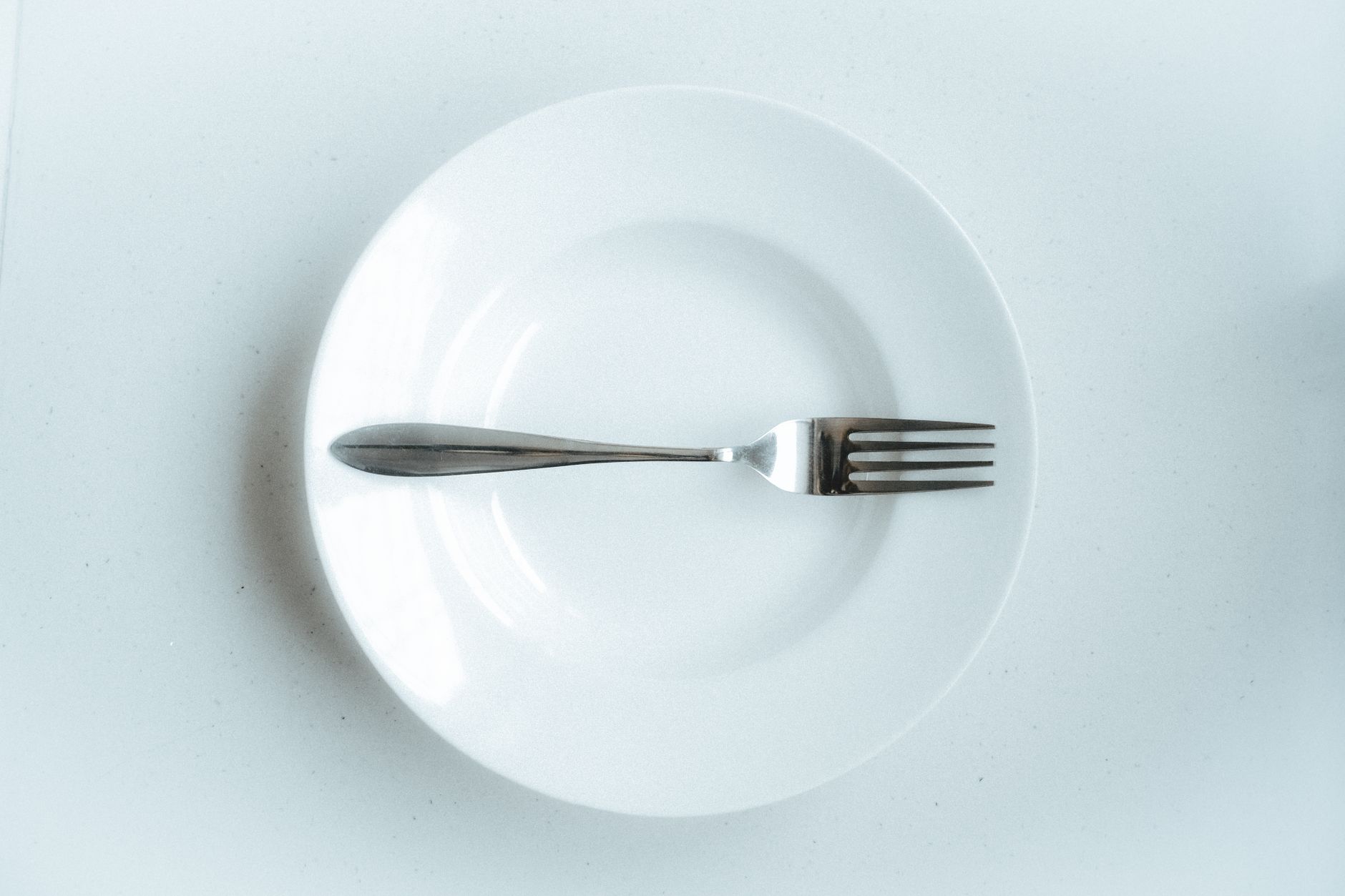
- Whatever utensils the meal actually calls for, rather than whichever fork was already out of the drawer.
None of this takes more than a minute or two. That’s the part that surprised me most. I’d assumed setting a place was a bigger production than it actually is. It’s closer to the effort of putting on shoes than it is to cooking a second dish.
The sitting matters as much as the setting
Setting the table only works if you actually sit at it. I’ll admit there were a few weeks where I’d set a nice place and then carry the plate to the couch anyway out of habit, which mostly defeated the purpose. The place setting is an invitation, but you still have to accept it.
Once I started actually sitting down at the set table, something else shifted: I ate slower. Not because I was trying to, but because a table with a placemat and a napkin doesn’t really invite scrolling through your phone with one hand the way a couch does. The meal got my attention instead of splitting it.
This isn’t about performing for no one
I want to push back on the voice that says this is excessive for a solo dinner. Setting a place for yourself isn’t performance, because there’s no one to perform for. It’s closer to the opposite: it’s the version of the gesture that survives once you strip away any audience. If you’d do it for a guest, and you do it for yourself too, that’s not vanity. That’s just deciding your own dinner counts.
The people who taught me to set a table growing up were always setting it for company. It took me a long time to realize the habit could just as easily belong to a Tuesday night with no one else in the apartment.
If you only do one thing
Before your next solo dinner, put down a placemat and a napkin, and pour your water into an actual glass before you sit. Skip the couch. Sit at the table you set. It takes under a minute and it changes how the next twenty minutes feel.