Some links here are affiliate links. If you buy through one, Little Everyday Luxuries may earn a small commission, and it costs you nothing extra. How that works.
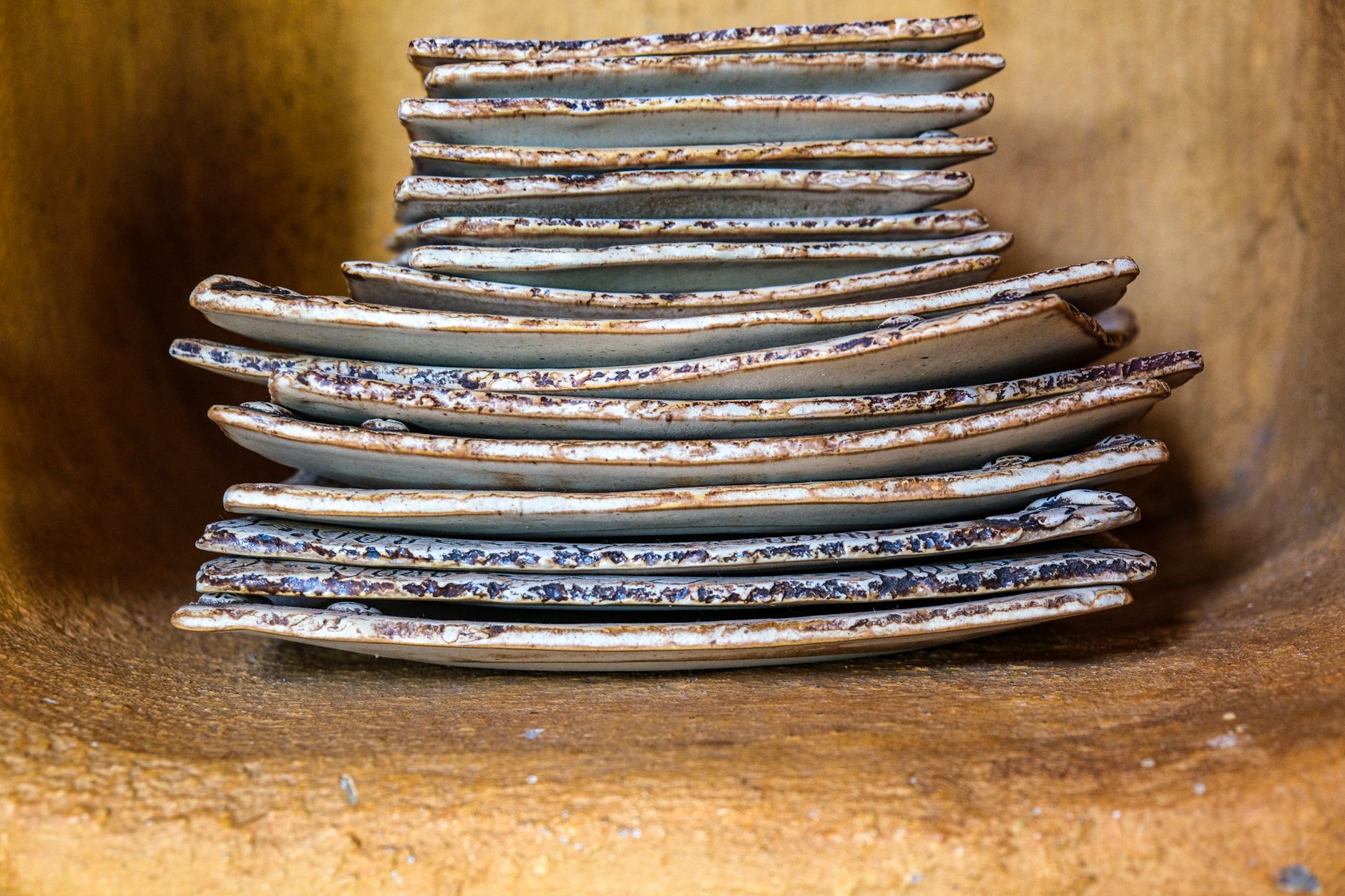
I noticed it by accident. I was putting away dishes and caught myself doing the sort automatically: the good plates went to the front of the cabinet for when someone came over, and the slightly chipped one, the one with the hairline crack near the rim, got pushed to the back where I could reach it easily on a Tuesday night with no one around. I had been doing this for years without ever naming it.
That plate wasn’t broken. It wasn’t unsafe to use. It just wasn’t the one I would hand a guest. And somehow that made it the one I handed myself, night after night, meal after meal, without a second thought.
The quiet math of “it’s just me”
There is a specific kind of math that happens when you live with yourself and cook for one. It sounds reasonable on the surface. Why dirty the good plate for a bowl of pasta you’re eating standing at the counter? Why bother with a cloth napkin when a paper towel does the job? The good stuff gets saved, and saved, and saved, until you realize the saving has become the whole habit and the actual using never arrives.
I used to think I was being practical. Looking back, I think I was quietly deciding that my own solo dinner didn’t count as an occasion worth the good dish. Guests counted. My Tuesday didn’t.
The plate you reach for when no one is watching is the most honest answer to how you actually feel about eating alone.
What changed when I switched
I moved the good plates to the front of the cabinet and put the chipped one in a drawer I rarely open. Small move. It took maybe two minutes one afternoon. But the next time I made dinner for myself, my hand went to the good plate out of pure habit, because it was simply the closest one.
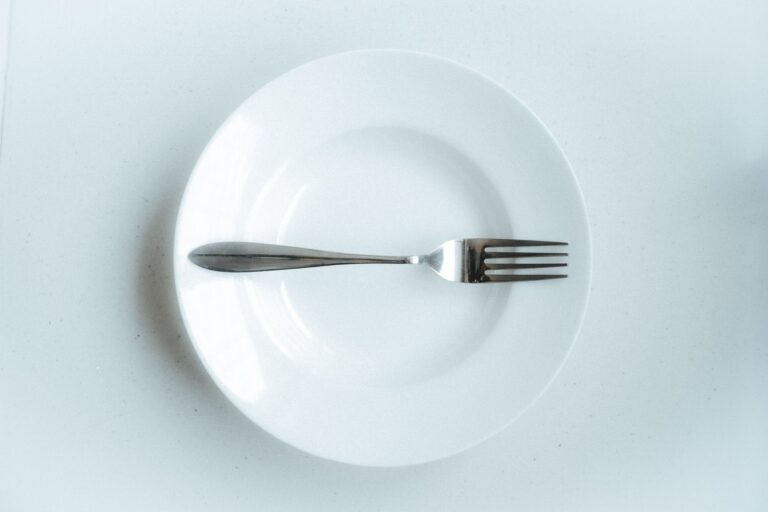
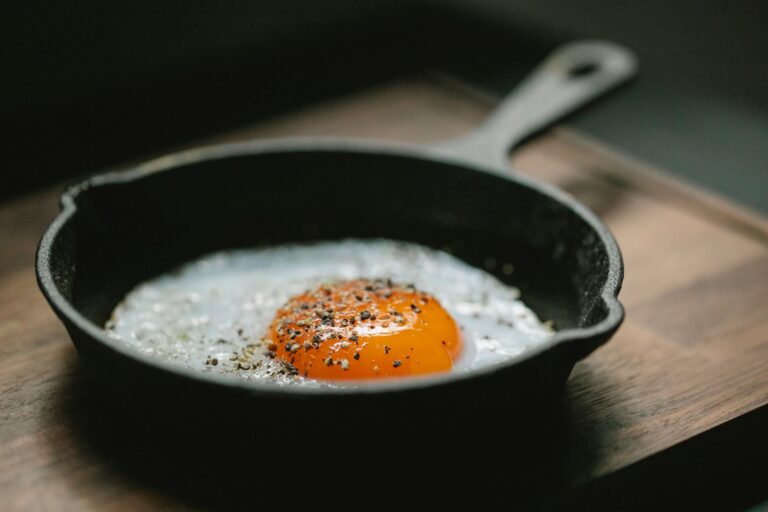
The dinner itself was nothing special. Leftover rice, a fried egg, some greens I’d sauteed with garlic. The kind of meal that, on the old plate, I would have eaten in about six minutes while scrolling through my phone. On the good plate, with the rim I actually like the look of, I found myself slowing down. Not dramatically. Just enough to notice the egg yolk against the white ceramic, enough to sit at the table instead of the couch.
Nothing about the food changed. What changed was the frame around it. A good plate tells your brain, without a single word, that this meal matters. A chipped plate tells your brain the opposite, no matter how good the food on it actually is.
This isn’t about buying new dishes
I want to be clear about what I’m not saying. I’m not saying you need to go buy a new set of dinnerware, and I’m not saying anything is wrong with plates that show some wear. My favorite bowl has a small chip in the base that I don’t even think about anymore. This isn’t about the condition of the plate. It’s about which one gets treated as worthy of your solo dinner.
Most of us already own at least one set of dishes we consider “the good ones.” The shift isn’t a purchase. It’s a decision to stop rationing them for company and start treating your own dinner as company enough.
A few ways to notice your own pattern
- Open your cabinet and watch which plate your hand goes to first when you’re alone. That’s the honest one, not the one you’d claim in conversation.
- Ask yourself if you own dishes you’ve used fewer than five times because you’re “saving them.”
- Notice if you eat standing at the counter more often when you’re alone than when someone else is home.
- Check whether your everyday plate has a chip, a stain, or a pattern that’s mostly worn off, while a nicer set sits untouched in a cabinet.
None of these are indictments. They’re just information. The point isn’t to feel bad about the chipped plate years. The point is to notice the pattern clearly enough that you can choose to interrupt it.
Why this matters more than it sounds like it should
A plate is a small object. But the habit of saving nice things for other people, and giving yourself the leftovers of your own household, tends to show up in more places than the kitchen. It shows up in which towels you use, which pen you grab, which side of the closet holds the clothes you actually like wearing. The plate is just the easiest one to catch in the act, because you touch it every single day, sometimes multiple times, always alone.
Eating by yourself is not a lesser version of eating with company. It is not a placeholder meal you get through before the real ones start again. It’s simply a meal, and it deserves the same plate you’d set out for a friend.
If you only do one thing
Move your best plate to the front of the cabinet. Put whatever is chipped, mismatched, or a little sad toward the back, out of easy reach. Let your hand find the good one by default instead of by exception. You don’t need an occasion to use it. Your Tuesday dinner, eaten alone at the table, is the occasion.