Some links here are affiliate links. If you buy through one, Little Everyday Luxuries may earn a small commission, and it costs you nothing extra. How that works.
There’s a version of a recipe I used to cook when it was just me, and it was never the recipe as written. It was the recipe minus the sauce, because making a sauce for one felt like a lot of dishes for a small reward. Minus the garnish, because who was I garnishing it for. Minus the step where you toast the spices first, because that pan would just need washing either way. By the time I was done simplifying, what I’d cooked and what the recipe described were only loosely related.
I told myself this was efficient. Looking back, I think I was quietly deciding that the full version of a dish, the one with all its steps intact, was for other people. My own dinner got the abbreviated draft.
The moment I noticed the pattern
I was making a curry, and I skipped blooming the spices in oil first, the step that actually builds most of the flavor, because I was cooking for myself and didn’t feel like dirtying a second pan. The curry came out fine. Fine is the word. Not the curry I actually like, the one I make when someone’s coming over and I do every step in order. Just a flatter version of it.
That was the moment I realized I had two versions of my own cooking: the one I make for guests, done properly, and the one I make for myself, done at maybe seventy percent. And the difference wasn’t about time or ability. I had the twenty minutes. I knew how to bloom spices. I just hadn’t decided my own dinner was worth the full version.
The abbreviated recipe isn’t really about saving time. It’s a quiet statement about who the full version is for.
What happened when I stopped simplifying
The next time I made that curry for myself, I did every step. Bloomed the spices, made the full sauce, even chopped the cilantro for the top instead of skipping the garnish because “it’s just me.” It took maybe ten extra minutes total.
The difference in the food was real and immediate. But the bigger difference was harder to name at first. Eating the full version of a dish I actually love, made properly, alone at my table, felt different than eating the shortcut version ever had. It felt like I’d made dinner for someone who mattered, because I had. I just hadn’t been counting myself in that category before.
The steps that usually get cut for one
- Making the sauce from scratch instead of skipping it or using a jarred stand-in, because a sauce feels like effort spent on an audience of one.
- Toasting or blooming spices, which takes an extra pan and a few minutes but builds most of a dish’s actual flavor.
- The garnish step, herbs or a squeeze of citrus at the end, that gets treated as decorative rather than necessary.
- Reducing a pan sauce properly instead of serving the meat with nothing on it because deglazing felt like too much for one plate.
None of these steps are hard. They just tend to be the first things cut when you’ve quietly decided the meal doesn’t need to be impressive because no one else will see it.
This isn’t about cooking more elaborate meals
I want to be clear that this isn’t an argument for cooking fancier food when you’re alone. Some of my best solo dinners are still simple, a few ingredients, not much fuss. The shift isn’t complexity. It’s completeness. If a recipe calls for five steps, cooking all five steps for yourself instead of quietly dropping to three is the actual change, whether the dish itself is simple or not.
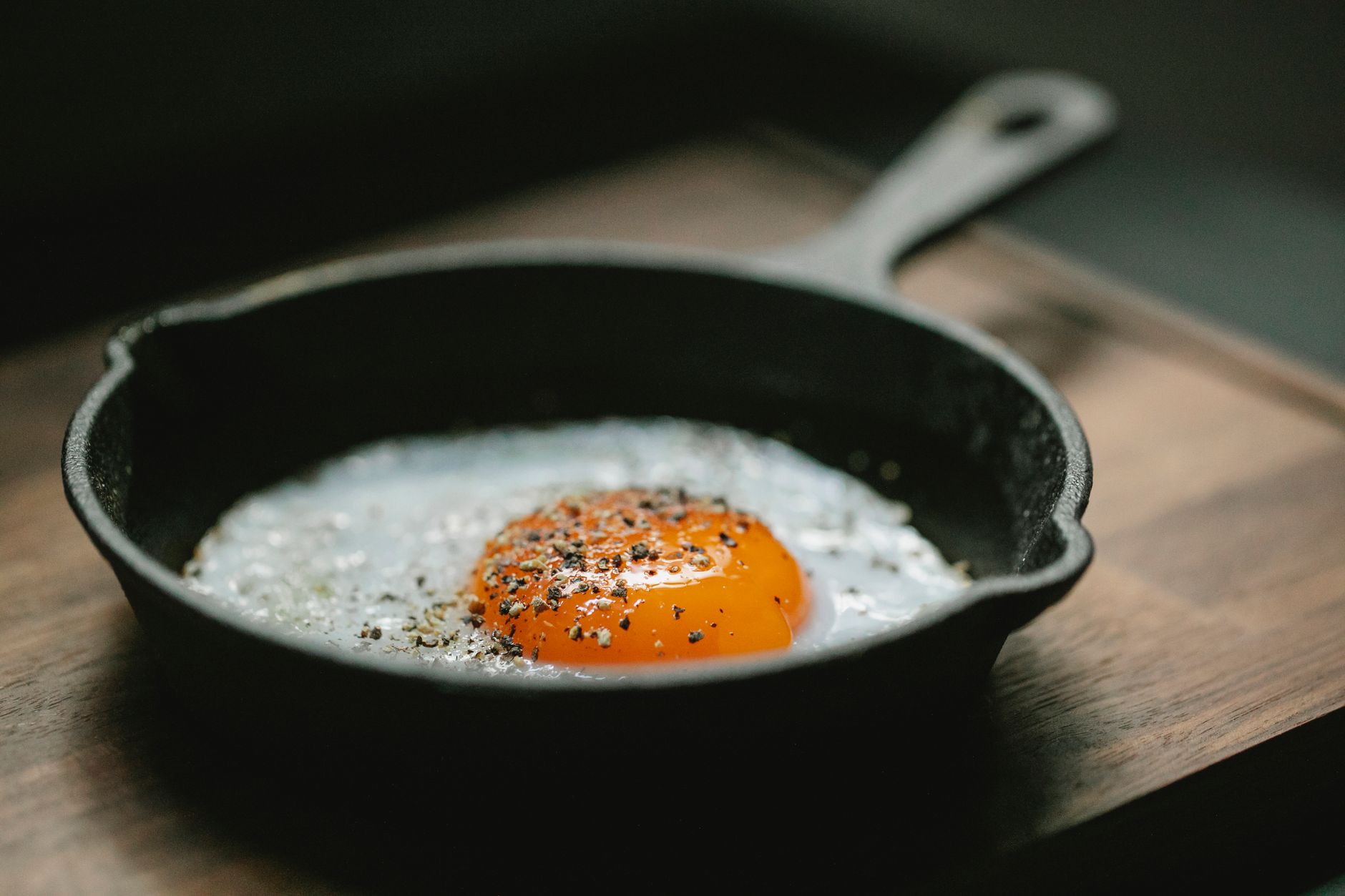
A fried egg on toast can be cooked completely, butter properly melted, egg cooked exactly how you like it, good bread actually toasted rather than just warmed. Or it can be cooked as a shortcut, half-melted butter, egg overcooked because you were doing something else at the same time, bread barely toasted. Same dish. Different level of care. The care is the part that was going missing when I cooked for myself specifically.
The extra ten minutes is rarely the real obstacle
When I’m honest about why I used to cut corners for solo meals, it usually wasn’t actually about time. Most of the skipped steps added ten minutes at most. It was more that cooking the full recipe for just myself felt like a mismatch, like using nice stationery for a grocery list. Once I stopped seeing my own dinner as a lesser occasion than a dinner party, the ten minutes stopped feeling like an unreasonable ask.
If you only do one thing
Next time you cook for yourself, follow the recipe all the way through instead of dropping the steps that feel optional when no one’s watching. Bloom the spices. Make the sauce. Add the garnish. The extra ten minutes will tell you something the shortcut version never could.